

Case Study
CREATING A SEAMLESS PATIENT JOURNEY
.png)
Context & Challenges
In a traditional hospital visit, patients often need to call to ask for information or book an appointment, take a queue number when they arrive, wait at the registration counter, and provide their details to complete the paperwork. Because many of these steps must be done in person, waiting times can be long, especially during peak hours.
These disconnected steps presented two major challenges for HIU Hospital:
- Patient experience: Fragmented information meant patients often had to provide the same details more than once, adding to waiting times and affecting their experience.
- Hospital operations: Staff spent considerable time entering information manually at the reception counter. This increased the risk of duplicate records and made it harder to oversee the registration process as a whole.
To address these challenges, HIU Hospital partnered with Nexlab Technology to build a connected digital ecosystem for the patient journey. The goal was to carry information across channels, giving patients more control over their visits while helping hospital teams coordinate each appointment more effectively.
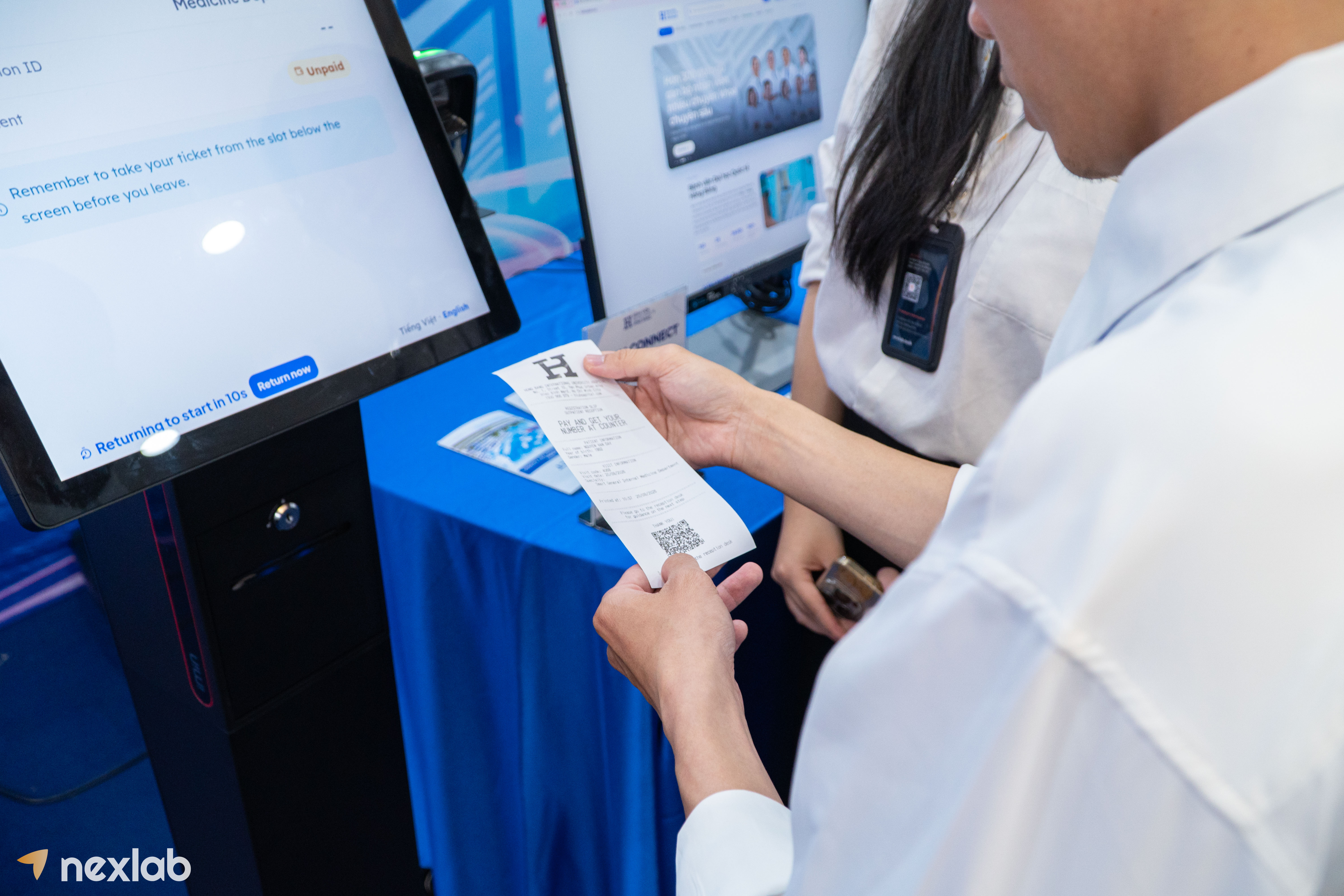
Nexlab Technology’s Solution
Rather than developing a separate solution for each step of the patient journey, Nexlab Technology designed the technical infrastructure as an integrated ecosystem. Its three core components work together and share a continuous flow of information.
HIUH Connect App
HIUH Connect serves as a mobile health companion before, during, and after a hospital visit. Patients can create profiles for themselves or family members, scan information from their citizen ID and health insurance card, select a specialty, doctor, or health checkup package, book an appointment, and pay in advance. When they arrive at the hospital, they can use the QR code in the app to continue their scheduled visit without starting the registration process again.
The app also keeps patients informed about their visit status, costs, notifications, test results, and medical history.
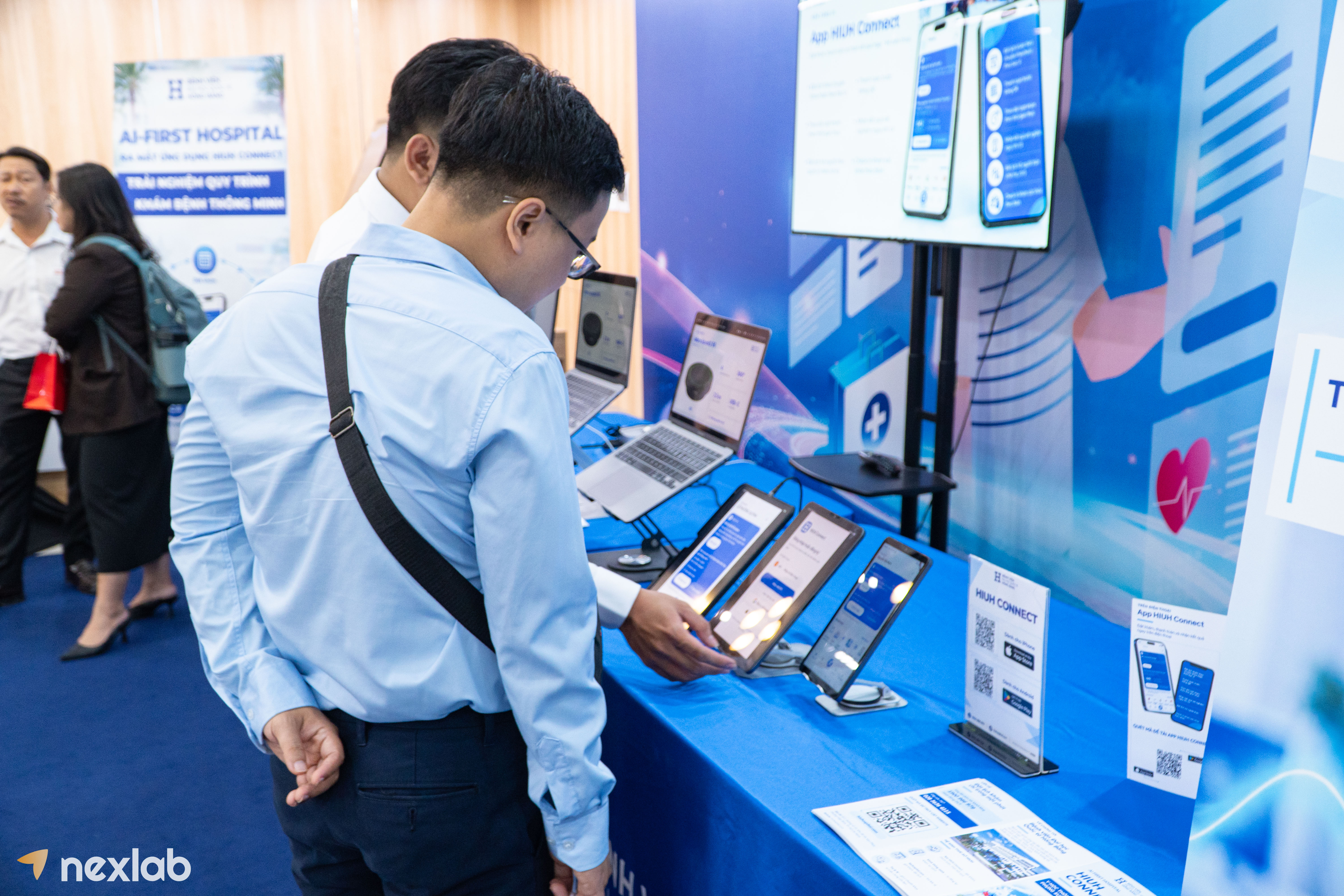
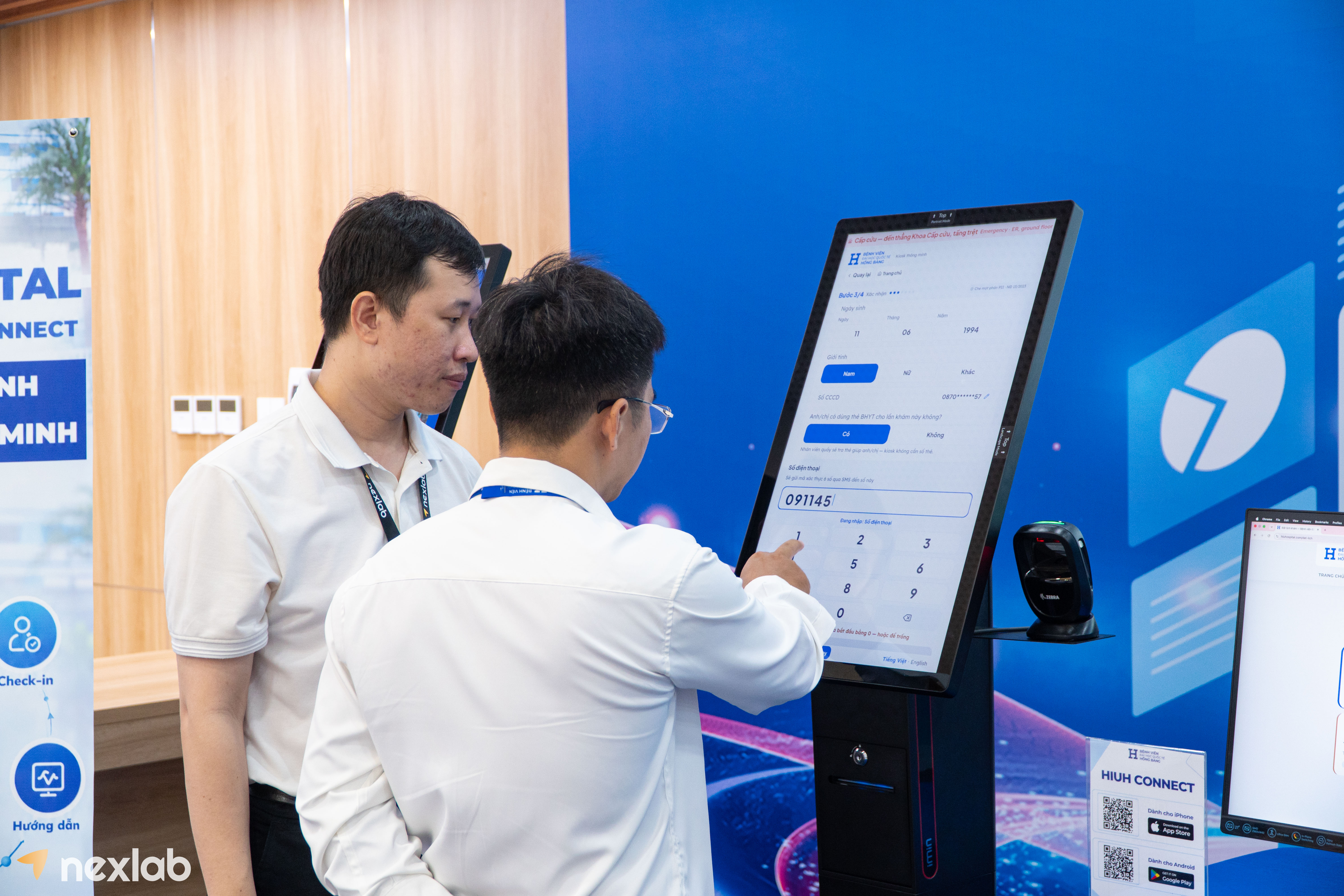
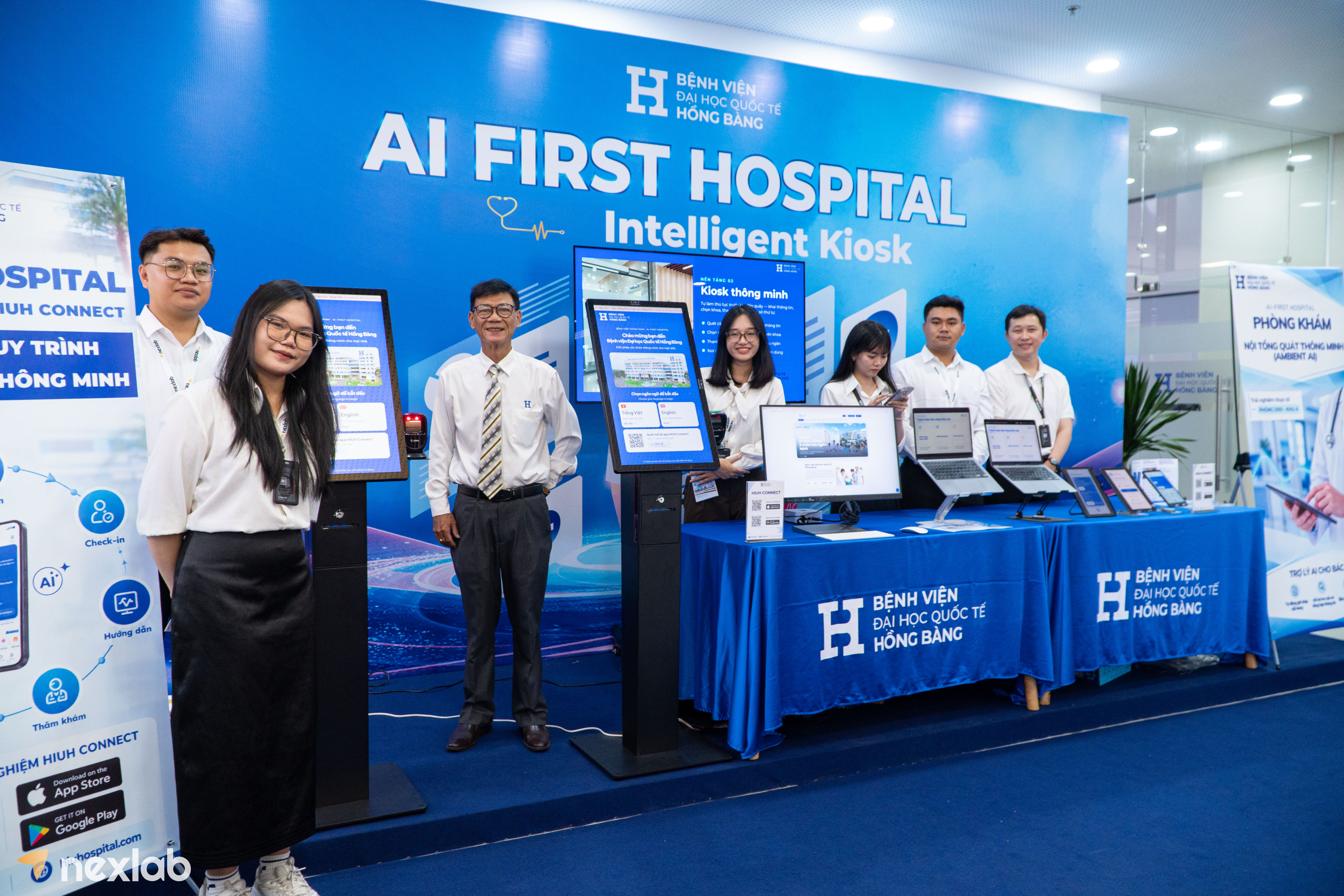
Intelligence Kiosk
Located in the hospital lobby, the Intelligence Kiosk provides a self-service registration option for patients who arrive without booking in advance. They can enter their information, select a service, or describe their symptoms, then receive a QR code for their visit.
The system also helps flag potential duplicate records and sends the relevant information to the operations team for verification. This reduces manual data entry at the reception counter and helps establish accurate records from the first point of contact.
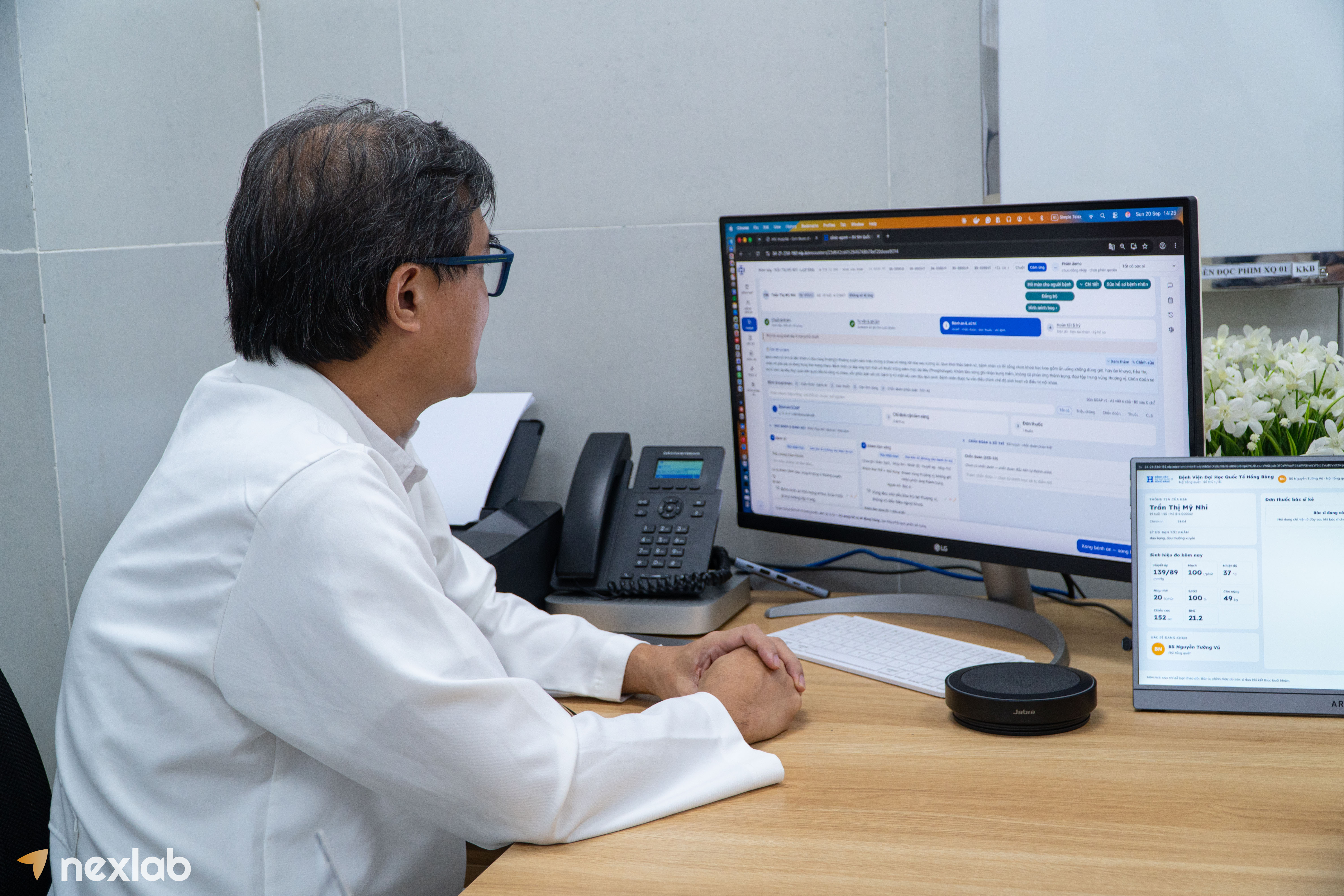
Operation Portal
The Operation Portal brings together requests submitted through HIUH Connect, the website, and the Smart Kiosk. Each registration appears as a card in a visual queue, where staff can review, verify, and process it.
The portal supports task assignment, exception handling, and real-time activity tracking. Once information has been verified, it is synchronized across the system so the relevant teams can continue the patient’s journey.
A Connected Patient Journey
Patients can begin their visit in the way that suits them:
- Book ahead with HIUH Connect: Patients can schedule an appointment, choose a doctor, and pay in the app. When they arrive, they present the app’s QR code at the counter or reception point to continue their scheduled visit without entering their information again.
- Register at the hospital with the Smart Kiosk: Patients who have not booked ahead can enter their information, select a service or describe their symptoms, and receive a QR code on site.
In both cases, registration details are sent to the Operation Portal as work items. Hospital staff can then review and verify the information before directing patients to the appropriate clinic, with each step connected through the same flow of information.
Key Benefits
The HIU Hospital project shows how connected technology can support both the patient experience and hospital operations. By linking the stages before, during, and after a visit, the ecosystem helps reduce repeated registration and ease pressure at the reception area.
At the same time, centralized, standardized information gives hospital teams greater visibility into each visit and helps them coordinate the registration process in real time. It also provides a foundation for expanding digital services and AI applications in the future.



Similar posts
.jpeg)


Have an idea in mind?


